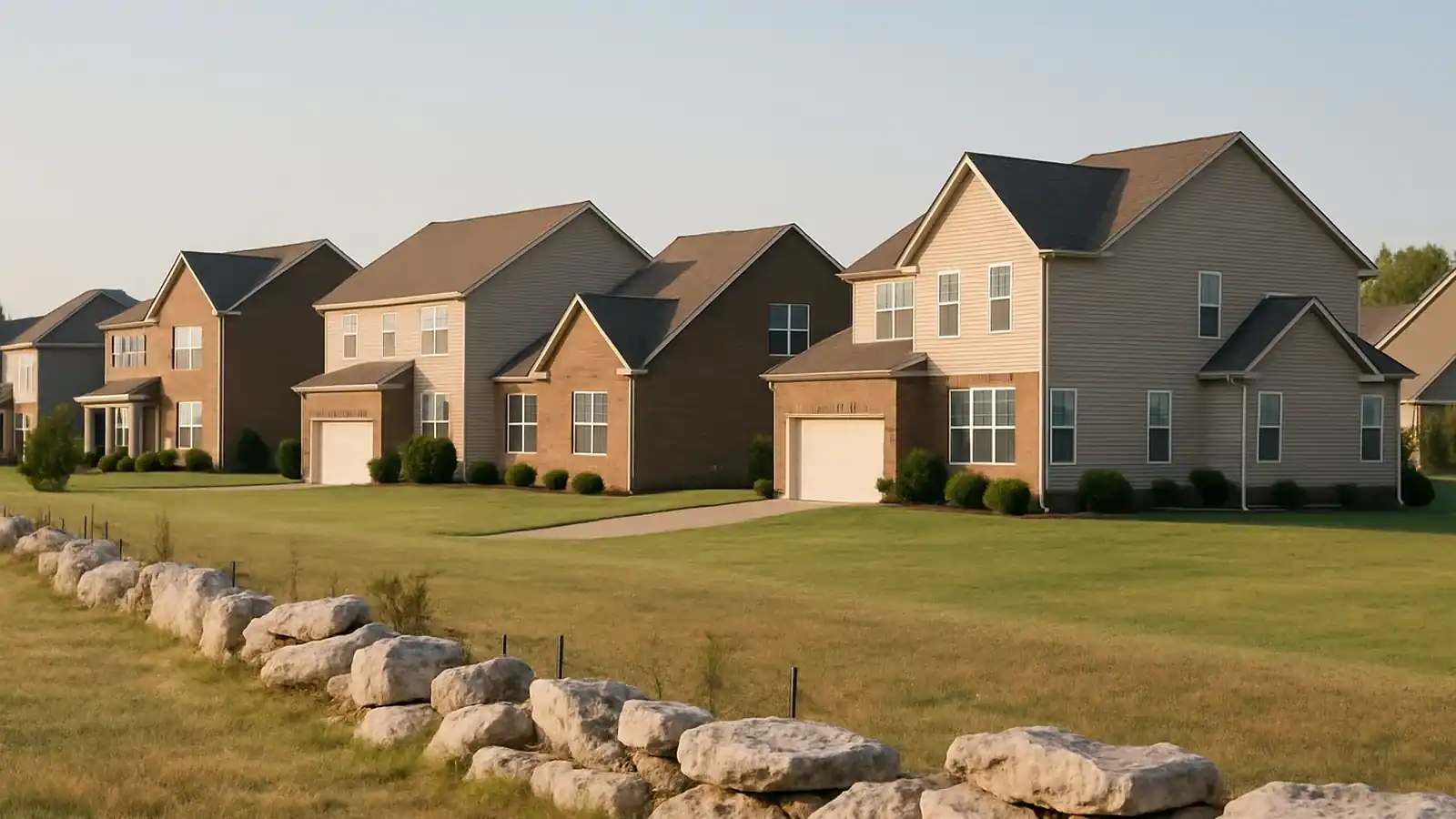
A Christiana foundation repair usually totals $4,000 to $15,000. Where a job lands inside that range comes down to how many piers the house needs, how deep the limestone sits under each corner, and how much water has to be moved off the acreage. Ask that the evaluation include photos, crack widths and laser floor elevations before any number is given.
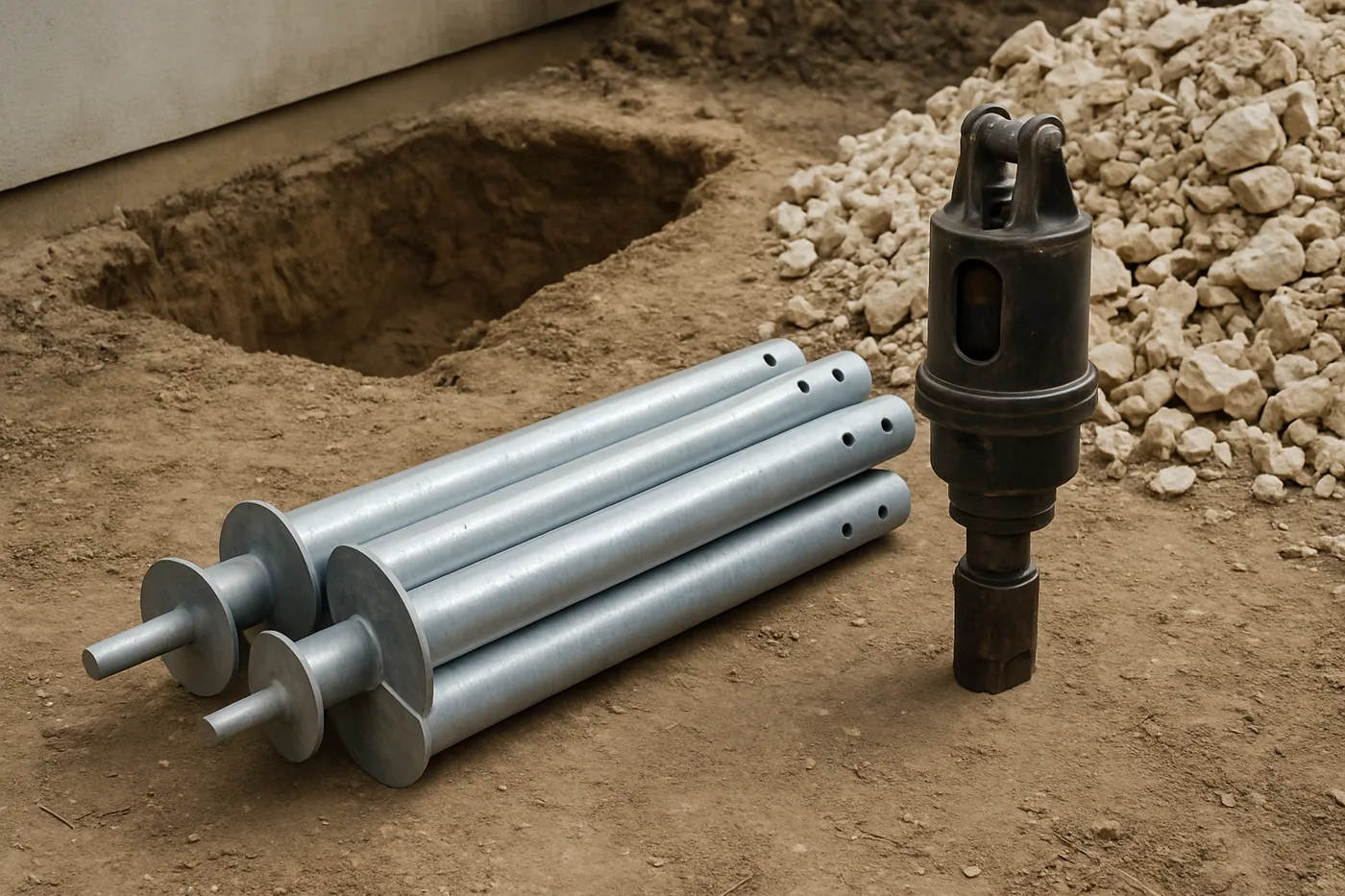
Individually built homes on individual ground
Christiana wasn't mass-graded into subdivisions, which changes the diagnostic approach entirely. Homes built one at a time across decades sit on whatever preparation that builder used in that year, and the variation is real: two neighbors can present completely different foundation conditions with no development-wide pattern to reference.
What that means practically: the evaluation leans hard on measurement rather than on expectations. Floor elevations, crack widths, and a walk of the lot's water path do the diagnostic work, because there's no "how they built them in this subdivision" shortcut available. On Central Basin ground where depth to limestone already varies lot to lot, that individualized reading matters more here than almost anywhere in the county.
Acreage makes the water half easier
Rural lots bring one substantial advantage: room. Drainage solutions that are impossible on a tight suburban lot become straightforward: swales with somewhere to go, discharge lines that reach genuine daylight well away from the house, and regrading that doesn't run into a property line ten feet from the wall. Since moisture control is half the foundation repair on clay, that space frequently reduces the structural scope as well.
Asked in Christiana
Are rural Christiana addresses covered?
Yes. Southern Rutherford County is a standard part of the area we cover. Ask for travel to be quoted in the scope rather than buried in line items. Acreage properties are often easier to work than tight suburban lots, with real room for equipment and drainage discharge.
My neighbor's house has no problems. Why does mine?
In Christiana that's genuinely common. Homes built individually across decades sit on whatever preparation that builder used, and depth to limestone varies lot to lot on Central Basin ground. There's no development-wide pattern to reference here, which is exactly why the evaluation measures rather than assumes.
We have a septic system and a well. Does that complicate the work?
It changes the planning rather than the price. Tanks, drain fields, and well lines get located and marked before any excavation, and drainage discharge is routed away from the field rather than toward it. Ask about it, because it is the kind of step a generic scope forgets until a shovel finds it.
Is drainage cheaper to fix on acreage?
Usually, and it works better. Room means swales with a real destination and discharge lines reaching genuine daylight: options that simply don't exist on a quarter-acre lot. Since moisture control is half the repair on clay, that space often shrinks the structural scope too.
Christiana's houses by decade
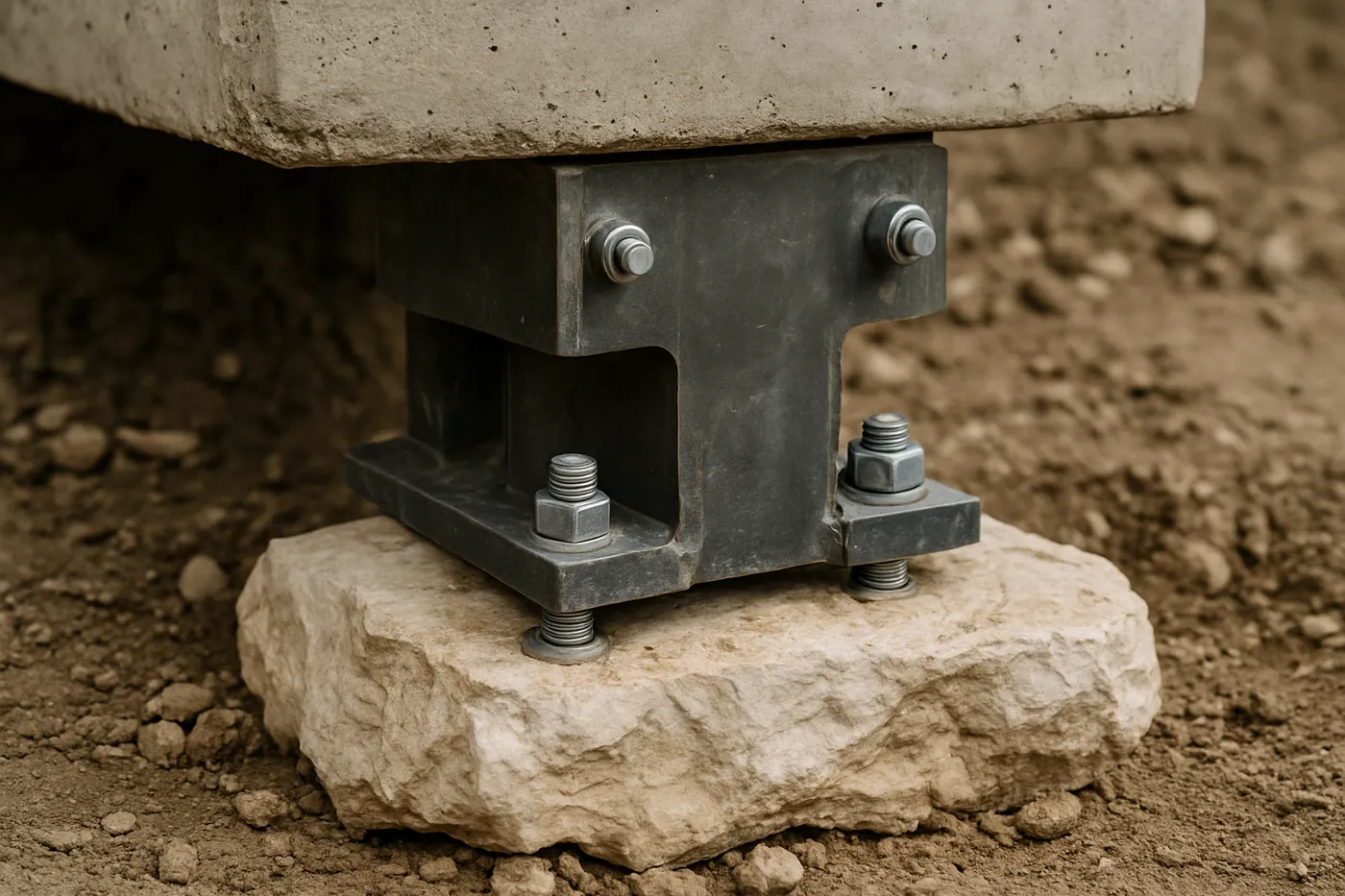
The Census Bureau's American Community Survey (2020-2024) counts about 1,950 homes in the Christiana census-designated place, and the median one was built in 2003. A third went up during the 2000s and another 22% in the 1990s; fewer than one in ten predates 1980, and about 96% are lived in by their owners. In practice that means most Christiana foundations are twenty to thirty years into their life, each one built to whatever standard its own builder used that year.
West Fork country: creeks and rock
The U.S. Geological Survey's state geologic map places the ground around Christiana on the Ridley Limestone of the Stones River Group. Runoff here heads for the West Fork Stones River, and USGS has recorded streamflow sites on the West Fork near Christiana and on Lytle, Short and Christmas creeks nearby. A house close to one of those channels deserves a look at where storm water and the lot's own runoff travel before anyone counts piers. Rutherford County's stormwater office takes reports of drainage and flooding problems at 615-898-7732, and its page links a county map for checking whether a property sits in a flood zone.
Who issues permits for a Christiana address
Christiana is unincorporated, so the office to ask is Rutherford County Building Codes, Room 101 at 1 South Public Square in Murfreesboro (615-898-7734). The county's building FAQ says a permit is needed to enlarge, alter, repair, move or demolish a building. Foundation work is not named on that page, so have the specialist confirm with the county whether your scope needs one before work starts.
Price any written scope against the cost guide, and the full service list explains each repair type.
Get a Murfreesboro foundation evaluation
Tell us what the house is doing (stair-step cracks, doors that stick every August, sloping floors, separating trim) and we’ll pass your request on for an evaluation. A specialist who serves the Murfreesboro area will call you back.